
With each cautious step outside of your comfort zone, the more you grow and in turn the more parts of yourself you uncover in the process. With the abundance of new people, new cultures and new languages that travelling offers, remaining settled in your carefully constructed safety net just isn’t an option. Stepping onto the plane by myself in preparation for a total of 18 hours in the air, squished tightly next to the window, I was filled with excitement tinged with discomfort. A short glimpse of what the next months would bring.
Pushing myself out of my comfort zone has been and continues to feel like a necessary pursuit to avoid feeling stuck or unfulfilled in my life. Challenging yourself is, by the nature of the adjective, difficult and testing, but it always proves to be worth it.
The world of self-help
There is a plethora of self-help advice out there, instructing you on how to “reach your potential”or encouraging you to “get comfortable with being uncomfortable”. During moments when we feel stuck in the mundanity of everyday life, phrases like “become the best version of you” can appear empty and ironically uninspiring. I’ve slogged my way through pages of self-help quotes, coupled with hours of podcast advice to seek out any tangible guidance about how to be braver through the choices we make each day.
American psychologist and well-known author Susan Jeffers famously wrote the bestselling book Feel the Fear and Do It Anyway, offering her readers practical techniques to avoid negative thinking and advice on how to take risks. I prefer the short reminder, “do it scared”, which author and blogger Ruth Soukup titled her motivational book. It’s punchy and to the point and the expiring to-do list in my mind surprisingly doesn’t have much space for lengthy inspirational quotes.
Do it scared
Travelling has felt like a constant succession of moments in which I have to choose to “do it scared”, often with little choice at all. From catching a last-minute flight to navigating my way through unusual bus routes (and I’m not a huge fan of buses anyway; they offer limited escape options), to entering a ten-bed hostel room and mustering up the courage to say “hello”.
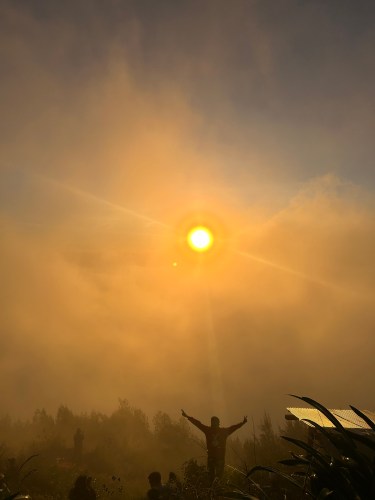
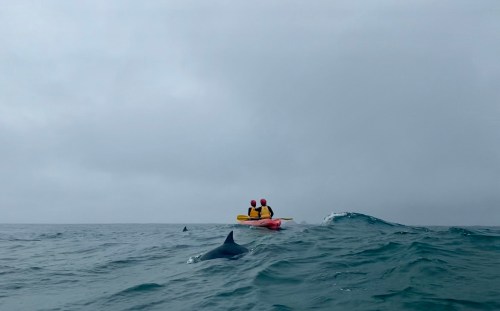
Of course, there are periods of time when travelling in which you make very conscious choices about whether or not to step outside of your comfort zone. Kayaking with dolphins was one of these moments for me. Rain was hammering down on the hostel roof all morning and the waves looked choppy, but once the wetsuit was zipped up and the first “splash” as my instructor called it (pretty huge wave if you ask me), had hit our kayak, the rest of the experience was beyond magical. Climbing Mount Batur in Bali and snorkelling around the shipwrecks in Moreton Island also caused initial feelings of fear, namely because I doubted my ability to excel, but ultimately I felt immense pride at completing them. On the other side of each initially uncomfortable activity was a surge of adrenaline and confirmation that I’m capable of more than the tiny internal voice in my head would like me to believe.
“Life’s greatest moments and deepest connections exist outside our comfort zone”
– Yes Theory
The 5 second rule
Motivational speaker, author and podcast host Mel Robbins proposed the method of the 5 Second Rule to tackle internal voices of self doubt and fear. While Robbins focuses on how this technique can prevent people from falling into spirals of procrastination, it’s also beneficial in moments of indecision, such as choosing to take an opportunity, apply for a job, go on a date or take one step off a bridge and bungee jump.
In an interview Robbins described the logic behind the rule: “The moment you have an instinct to move, you gotta do it within 5 seconds or your brain will kill it, when you count backwards-five, four, three, two, one-you interrupt habit loops…it awakens your prefrontal cortex. It’s a starting ritual in habit research.” The technique doesn’t allow time for indecision or overthinking, and in doing so allows you to leave your comfort zone without so much as a first thought, let alone a second getting in the way.
With each transformational decision in my life, I’ve done it scared and quickly – the decision to move abroad, to skydive, to travel, to climb a very steep mountain or kayak with dolphins. When the gut feeling arises that this is something that you want to do and aligns with you, it just takes a moment of bravery to try. On the other side of discomfort is a happier and more fulfilled version of you.
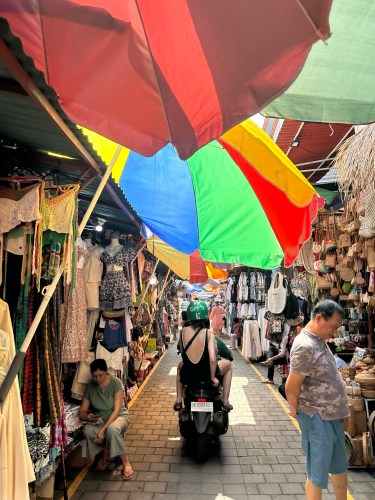
Discomfort and resilience
Of course, when travelling, risk is a genuine factor to consider when pushing yourself. Don’t go on a seven-hour hike with one bottle of water and assume you’ll be fine, or forget to book accommodation. Calculated risk is always important, as boring as it sounds.
Leaving your comfort zone won’t always feel exhilarating at the time. Running for buses with a backpack on my front and back, spotting an ant infestation and a rat in my hostel bathroom and sharing a hostel room with 12 clearly unwashed backpackers (myself included), definitely tested my comfort levels. But ultimately, you reach the other side more resilient than before, packed full of funny stories to share when you return home.
The popular YouTube channel and media brand Yes Theory embodies the idea of breaking out of your comfort zone. With merchandise stitched with the words “seek discomfort,” the team’s philosophy has always been that “life’s greatest moments and deepest connections exist outside your comfort zone.” Boasting over 8 million subscribers, the channel is filled with videos of the content creators travelling across the globe, taking part in extreme challenges and connecting with strangers in the hopes of inspiring their community to challenge the boundaries of their comfort zone.
“Though the world seems so much bigger it also feels more in reach than ever before”

Do you “find yourself”?
Travelling to new places is what you make it; if you choose to avoid new opportunities and challenges, there will be little to discover in the process. The cliche is that you find yourself when you’re travelling, as though you have to jet off to the other side of the globe to meet the unknown new and improved version of you.
Travelling offers you the opportunity to try things you’ve never tried and be self sufficient, and in turn, uncover the brave parts of yourself that were always there but just needed to be dusted off. When we give ourselves the chance, we are always more capable than insecurities will let us admit.
The more you leave your comfort zone, the more you open yourself up to new experiences. From talking to strangers to travelling with them for a few months, from cowering behind self-checkouts to testing out a new language at the till, travelling to the east coast of Australia becomes the west coast and then New Zealand. Six months in Southeast Asia may lead to cycling around Taiwan and though the world seems so much bigger it also feels more in reach than ever before.
 Amy Larsen
Leave a comment